
The American West is experiencing a profound water crisis, driven by persistent megadroughts, human-caused climate change, and an increasing demand that exceeds available supply. Current water management systems, some based on century-old agreements that overestimated the region’s natural water flow, are no longer sustainable or sufficient to meet these challenges.
The Core Challenges
- Persistent Drought and Climate Change: The region has endured the driest 23-year period in over 1,200 years, a megadrought amplified by human-caused climate change. Warmer temperatures lead to higher evaporation rates from surface water and drier soils, meaning less water makes it into rivers and reservoirs. Higher winter temperatures result in smaller snowpacks that melt earlier, leaving less water for the peak demand months of summer and fall.
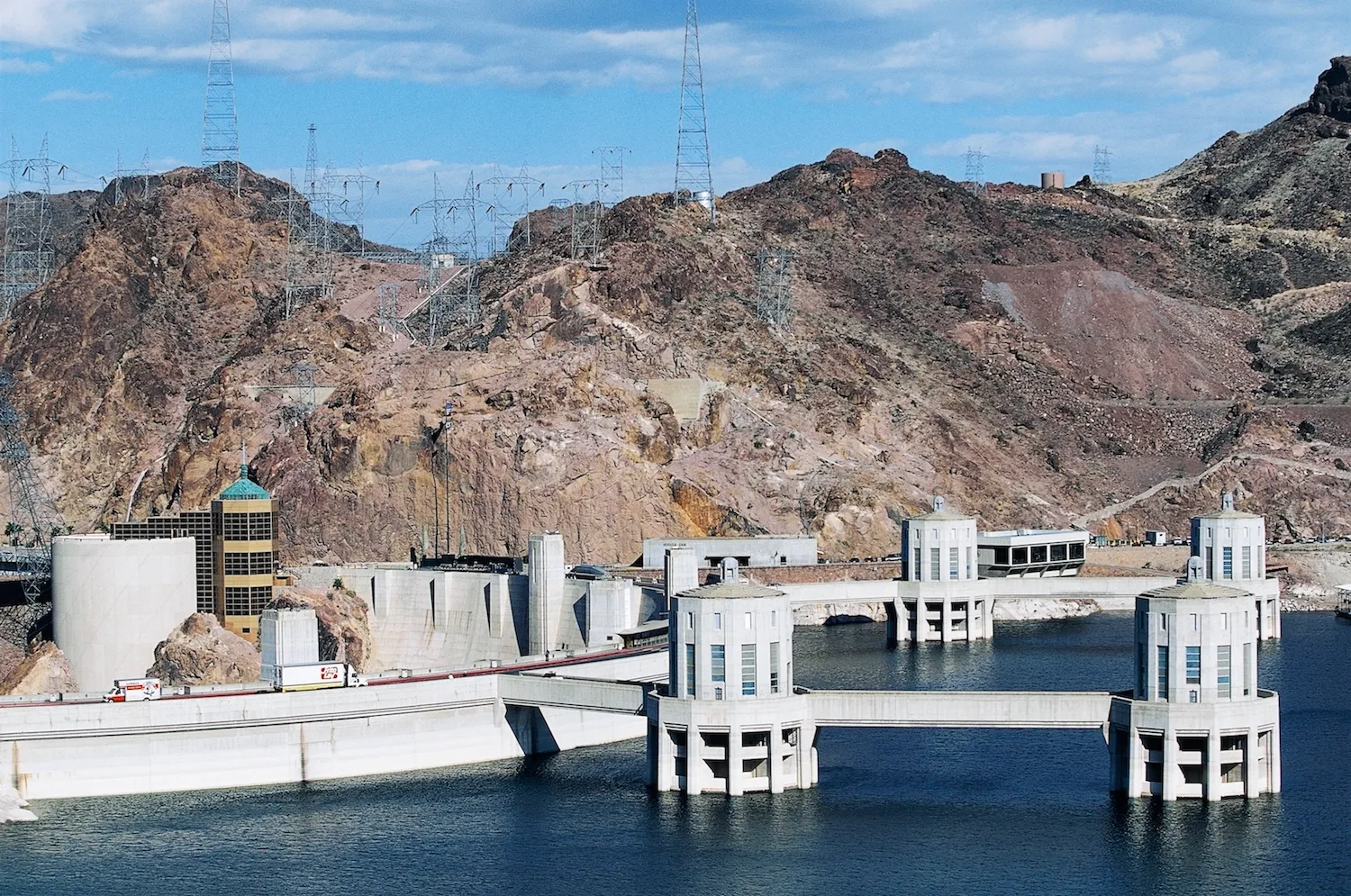
- Strained Infrastructure and Supplies: Major reservoirs like Lake Mead and Lake Powell, which supply water and hydropower to millions, have reached record-low levels and are in danger of reaching “dead pool” status, where water can no longer flow downstream or generate electricity. As of December 2025, Lake Powell and Lake Mead were at approximately 27% and 33% of capacity, respectively. The U.S. generally needs over a trillion dollars in water system upgrades in the coming decades to address a substantial backlog of deferred maintenance.
- Over-Allocation and Depletion: The Colorado River Compact of 1922 originally allocated more water than the river reliably provides, creating a structural deficit. This imbalance has led to the over-extraction and depletion of vital groundwater aquifers, the “lifeblood” of the Southwest, which took centuries to fill and are now a critical buffer against droughts.
- Increasing Demand: The West’s population is growing faster than the national average, increasing urban water demands. Agriculture uses approximately 80% of the West’s water, placing pressure on farmers to maintain food production with less water, which impacts the nation’s food security.
Innovative Solutions for a Resilient Future
Addressing this crisis requires a multi-faceted approach, integrating new technologies, policies, and collaborative strategies.
- Tapping Untraditional Sources: Innovations like Bantam Peripheric Power Desalination (BPPD) offer modular, small-scale desalination units that can treat abundant brackish groundwater using underutilized energy sources. This approach allows for the use of brackish water, providing a vital buffer against droughts and climate-related water scarcity.
- Modernizing Infrastructure and AI: Federal funding is supporting investments in smart water grids and managed aquifer recharge projects to capture and store surface water underground. Technologies like Artificial Intelligence (AI) are also being used in integrated water resource management (AI-IWRM) to predict leaks in municipal distribution networks and optimize operations across all sectors. The extension of AI-IWRM to agriculture involves using AI models to analyze soil moisture, weather forecasts, and crop data to optimize irrigation schedules, ensuring maximum yield with minimal water waste.
- Long-Term Infrastructure: Low Friction Hyper Aquifers: For a game-changing, long-term augmentation solution, the concept of Low Friction Hyper Aquifers (LFHA) is under development, potentially capable of more than 50 times the throughput of traditional water pipelines. This system, which can use maglev technology to move vast amounts of water at lower cost and energy consumption, is a long-term strategy (15-25 years to implement) that has been compared to major historic infrastructure developments like the creation of interstate highways and railroads in their potential to transform society and economies.
- Policy and Collaboration: Current operating guidelines for the Colorado River expire in 2026. The seven states that rely on the river missed a November 2025 deadline to submit a plan for how to share the water after that date. Federal officials have given the states until February 14, 2026, to reach a consensus agreement; otherwise, the federal government may impose its own plan. New strategies emphasize collaboration between federal agencies, states, and private sectors to better manage water allocation and incentivize conservation efforts across all sectors.
By implementing these innovative, drought-resilient solutions, the American West can move beyond outdated strategies to secure a more sustainable water future.
