
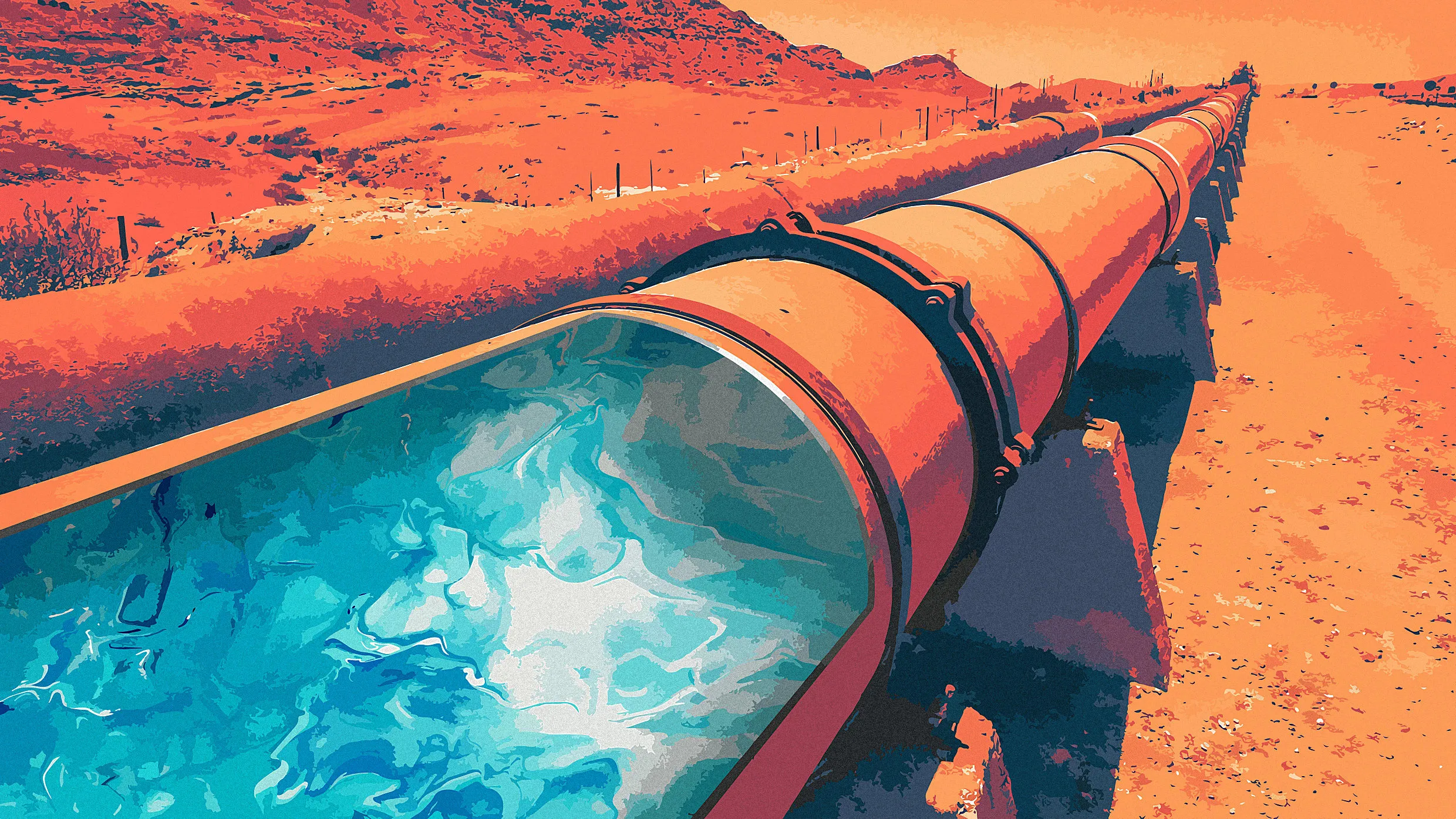
The American West is grappling with significant water scarcity issues, driven by climate change and growing demand from agriculture, industry, and burgeoning populations. While traditional water transport systems relied on static pipelines and natural drainage, the concept of a flexible, energy-efficient “interstate water system” is gaining traction as a potential solution. The answer to whether such a system can be built is yes, leveraging both existing and novel technologies to overcome the immense challenges.
The Challenge: Moving Water Uphill, Efficiently
Unlike an electrical grid that transmits power relatively easily, moving vast quantities of water across the continent faces a fundamental physical hurdle: elevation changes. Pumping water over the Rocky Mountains—a lift of thousands of feet—requires enormous amounts of energy. Existing large-scale projects like the Central Arizona Project (CAP) demonstrate feasibility but highlight the significant energy requirements of traditional pumping. Traditional pipelines also present challenges with maintenance, wear, corrosion, and an inability to adapt to changing source and demand locations.
Innovative Technologies for Efficiency
The solution lies in adopting advanced technologies that drastically reduce the energy needed for transport.
Low Friction Hyper Aquifers (LFHA)
One proposed innovation, LFHA technology, is a concept which aims to reduce friction losses significantly.
- This approach promises a cost savings of over 50% compared to traditional methods.
- It would allow for higher conveyance volumes (millions of acre-feet per year) at much faster speeds by removing issues like friction loss and head pressure loss.
A Hybrid, Flexible Future
The future water system would likely be a hybrid infrastructure, combining the flexibility of rail transport with the static reliability of pipelines. Rail tankers offer flexibility to shift destinations based on dynamic demand, unlike fixed pipelines.
The development of a national water grid, much like the interstate highway system or electrical grid, would require decades of construction and substantial political will to navigate multi-state agreements and right-of-way issues. However, the engineering is possible, and the potential benefits—drought security, job creation, and sustainable growth for the American West—are significant.
