
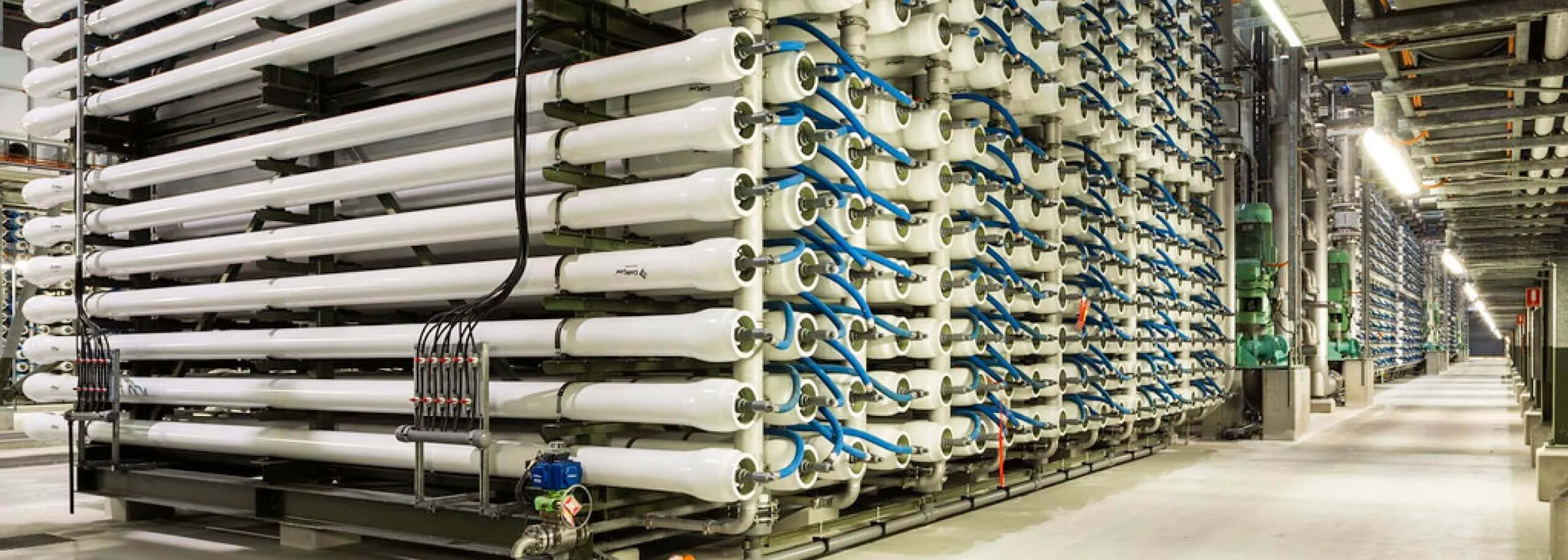
Bantam Peripheric Power Desalination (BPPD) is an emerging 2025 concept focused on modular, small-scale desalination units designed for decentralized water production. By utilizing “peripheral” or underused energy sources—such as excess heat from local industrial processes or small-scale renewable grids—BPPD addresses the high energy demands typically associated with traditional large-scale desalination.
Core Technologies
Modern desalination systems integrated into BPPD frameworks generally utilize two primary methods:
- Membrane Processes: Leveraging semi-permeable membranes (most commonly Reverse Osmosis) to separate salts from water at a modular scale.
- Thermal Processes: Using excess heat to evaporate saline water, which then condenses into fresh water, a method increasingly powered by industrial waste heat or nuclear co-generation in 2025.
Key Advantages
- Energy Efficiency: By tapping into “peripheric” power—energy that is otherwise lost or underutilized—these systems significantly reduce the operational carbon footprint.
- Modular Scalability: Unlike massive centralized plants, BPPD units can be deployed in specific “bantam” (small-scale) locations to serve rural or water-stressed communities.
- Resource Resilience: These systems allow for the use of brackish groundwater or seawater, providing a vital buffer against droughts and climate-related water scarcity.
Implementation Steps
Efficient BPPD operation involves a standardized seven-step process to ensure water safety and system longevity:
- Intake System: Collection of raw seawater or brackish water.
- Pre-treatment: Removal of suspended solids and biological matter.
- The Desalination Unit: High-pressure filtration (RO) or thermal evaporation.
- Energy Harvesting: Integration with the local peripheral power source.
- Chemical Dosing: Adjusting pH and mineral content for safety.
- Cleaning Mechanism (CIP): Routine maintenance of membranes or heat exchangers.
- Control Mechanism: AI or PLC systems automation will be used to monitor and optimize the entire operation in real time.
Sustainability Impact
As of late 2025, BPPD is recognized as a key strategy for meeting the UN Sustainable Development Goals, specifically Goal 6: Clean Water and Sanitation. By decentralizing production, it reduces the need for expensive and energy-intensive water transport infrastructure.
Core Components
- Bantam: In industrial engineering, “bantam” refers to compact, small-footprint units. For desalination, this means modular systems often housed in shipping containers that can be deployed at the “periphery”—the edges of water-scarce regions or remote inland wells.
- Peripheric Power: This refers to generating energy at the point of use rather than drawing from a central power plant. In 2025, this frequently involves hybrid renewable systems:
- Off-Grid Solar/Wind: Small-scale photovoltaic or wind generators directly powering reverse osmosis (RO) units.
- Waste Heat Recovery: Systems that use heat from nearby industrial processes or localized thermal generators to drive desalination.
- Wave Energy: Emerging “water farms” use local ocean wave kinetic energy to pressurize seawater for treatment without requiring external electricity.
Typical 2025 Applications
- Remote Inland Desalination: Used for brackish groundwater in areas like the Australian outback or rural Oman, where “bantam” units provide 5–20 m³/day of fresh water using localized solar power.
- In-Situ Well Treatment: Small pods lowered into a well utilize the natural hydrostatic pressure of the surrounding water (a form of peripheric mechanical power) to assist the filtration process.
- Decentralized “Water Farms”: Modular pods anchored to the ocean floor that use localized pressure and copper power cables to land to provide municipal water with roughly 40% less energy than a traditional plant.
Key Benefits
- Reduced Energy Costs: By utilizing local pressure or renewable sources at the source, these systems avoid the high costs of pumping raw water over long distances to a central facility.
- Environmental Protection: Smaller, localized units typically produce lower-concentration brine, which can be managed more easily (e.g., through aquifer reinjection or conversion into solid minerals like calcium chloride).
- Rapid Deployment: Being modular and portable (“bantam”), these systems can be moved to address seasonal droughts or emergency water shortages.
